








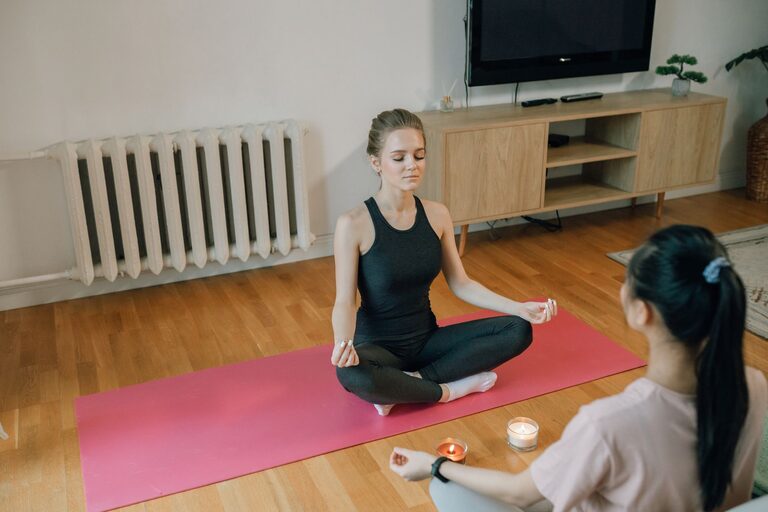
Taking mindful breathing breaks throughout your day can be an easy and powerful way to improve your focus, reduce stress, and boost your overall well-being. If you’re new to mindfulness or breathing exercises, don’t worry—this guide will help you get started with practical tips that fit into any schedule.
What Is Mindful Breathing?
Mindful breathing means paying close attention to your breath in the present moment, without trying to change it or judge it. It’s about noticing how your body feels as you inhale and exhale and bringing your full awareness to this simple act. This practice helps anchor your mind when it wanders and calms your nervous system.
Benefits of Mindful Breathing Breaks
– Reduces stress and anxiety: Mindful breathing helps activate the body’s relaxation response.
– Improves focus and productivity: Short breathing breaks can clear mental clutter and improve concentration.
– Enhances emotional resilience: Regular practice encourages a calm and balanced mindset.
– Supports physical health: Deep, slow breathing can lower blood pressure and improve oxygen flow.
How to Prepare for a Mindful Breathing Break
- **Choose a comfortable spot:** Sit or stand where you feel relaxed and won’t be disturbed. You can also practice lying down if that’s comfortable.
- **Set a time:** Start with just 1–3 minutes. Use a timer or a mindfulness app if you want.
- **Remove distractions:** Silence your phone or notifications if possible.
Beginner-Friendly Mindful Breathing Techniques
1. Basic Breath Awareness
– Sit comfortably with your back straight but relaxed.
– Close your eyes if you like.
– Breathe naturally through your nose.
– Notice the feeling of air entering and leaving your nostrils.
– Pay attention to your chest or belly rising and falling.
– Each time your mind wanders, gently bring your focus back to your breath.
2. 4-7-8 Breathing
– Inhale quietly through your nose for a count of 4.
– Hold your breath for a count of 7.
– Exhale slowly and completely through your mouth for a count of 8.
– Repeat this cycle 3–4 times.
– This technique helps calm the nervous system and promote relaxation.
3. Counting Breaths
– Breathe in and out naturally.
– Count “one” silently on your first exhale, “two” on your second, and so on up to five.
– When you reach five, start again at one.
– If your mind drifts, calmly start over at one without judgment.
4. Body Scan with Breath
– Close your eyes and take a deep breath.
– Slowly shift your focus from your breath to different parts of your body, starting at your feet and moving upward.
– Notice any sensations—warmth, tension, or comfort.
– Continue breathing slowly and steadily as you scan through your body.
Tips for Making Mindful Breathing a Habit
– Start small: Even 1 minute a few times a day can make a difference.
– Link it to daily activities: Take a mindful breath before meals, meetings, or after finishing a task.
– Use reminders: Set gentle alarms or notes to prompt you to pause and breathe.
– Be patient: Your attention may wander often at first; this is normal.
– Explore different techniques: Find what feels most natural and enjoyable for you.
– Practice regularly: Consistency helps build lasting benefits.
Common Challenges and How to Overcome Them
– Restlessness or impatience: Try to accept these feelings without judging them. Simply return your focus to your breath.
– Difficulty focusing: Start with very short sessions and gradually increase time as your focus improves.
– Uncomfortable posture: Adjust your seating or try standing; comfort is key.
– Forgetting to practice: Use daily triggers or apps to remind you.
When to Use Mindful Breathing Breaks
– During work or study to clear your mind.
– Before sleeping to wind down.
– When feeling stressed, anxious, or overwhelmed.
– After exercise or physical activity.
– Anytime you want to reset your mental state.
Final Thoughts
Mindful breathing is a simple yet powerful tool anyone can use to nurture calm and clarity. By taking regular mindful breathing breaks, you create moments of peace in your day that support both your mental and physical health. Remember, the key is gentle attention and kindness to yourself as you practice.
Try incorporating these beginner tips into your routine and notice how mindful breathing can positively impact your daily life—one breath at a time.