





Starting a small herb garden indoors is a rewarding and practical way to enjoy fresh flavors right from your kitchen. Whether you have limited space or want to add a touch of greenery to your home, growing herbs inside is both simple and satisfying. This guide will walk you through everything you need to know to get your indoor herb garden thriving.
Why Grow Herbs Indoors?
Indoor herb gardens offer many benefits:
– Fresh herbs for cooking anytime
– Reduced grocery trips and packaging waste
– Pleasant aromas and enhanced kitchen decor
– A fun and educational hobby
Herbs like basil, parsley, thyme, and mint grow well indoors with the right care.
Choosing the Right Location
Location is key for indoor gardening success. Most herbs need at least 6 hours of sunlight daily, so look for:
– A south or southwest-facing windowsill
– A bright spot near a window with direct light
– Alternative: use a grow light if natural light is limited
Avoid spots near heating vents or drafts, which can stress plants.
Selecting Herbs for Your Indoor Garden
Start with beginner-friendly herbs that thrive indoors:
– Basil: Sweet, aromatic, great for Italian dishes.
– Parsley: Versatile and hardy; curly and flat-leaf varieties available.
– Chives: Mild onion flavor, good for salads and soups.
– Mint: Refreshing, but keep in a separate pot to prevent spreading.
– Thyme: Drought-tolerant and flavorful, perfect for slow cooking.
– Oregano: Robust flavor, needs lots of light.
Choose herbs you use regularly to make your garden useful and enjoyable.
What You’ll Need
Gather these supplies before planting:
– Small pots or containers with drainage holes
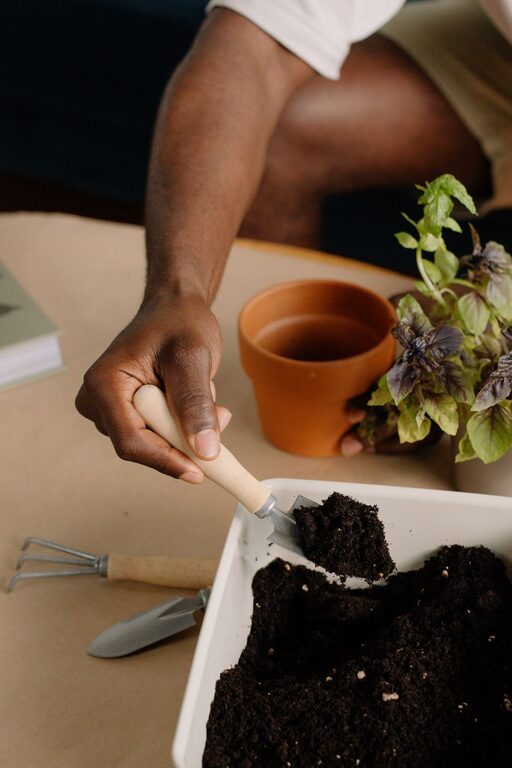
– Quality potting soil (avoid garden soil; use indoor potting mix)
– Herb seeds or starter plants from a nursery
– A watering can or spray bottle
– A tray or saucer to catch excess water
– Optional: grow lights for low-light spaces
Planting Your Herb Garden
Step 1: Prepare Your Containers
Fill pots with potting soil, leaving about half an inch of space at the top.
Step 2: Sow Seeds or Plant Seedlings
– If using seeds, follow the package instructions on depth and spacing.
– For seedlings, gently loosen roots and place in soil, then firm soil around the base.
Step 3: Water Lightly
Moisten the soil thoroughly but avoid waterlogging.
Step 4: Label Your Herbs
Label each pot to keep track of different herbs.
Caring for Your Indoor Herb Garden
Light
Ensure herbs get enough light daily. Rotate pots periodically to encourage even growth.
Watering
Most herbs prefer slightly moist soil. Water when the top inch feels dry. Avoid overwatering, which can cause root rot.
Feeding
Feed herbs every 4-6 weeks with a diluted liquid fertilizer formulated for indoor plants.
Pruning
Regularly pinch off leaves to encourage bushy growth and prevent flowering, which can decrease flavor.
Monitoring for Pests
Keep an eye out for common pests like aphids or spider mites. Wipe leaves gently or use natural remedies if needed.
Troubleshooting Common Issues
– Leggy plants: Not enough light; move closer to a window or add grow lights.
– Yellowing leaves: Overwatering or poor drainage.
– Slow growth: Nutrient deficiency or low light.
– Wilting: Underwatering or root problems.
Adjust care accordingly and keep observing your plants.
Harvesting Your Herbs
Harvest herbs by snipping leaves or stems with clean scissors. For best flavor, pick in the morning after dew has dried. Avoid taking more than one-third of the plant at a time to keep it healthy.
Additional Tips for Success
– Use saucers under pots to protect furniture from water damage.
– Group herbs with similar light and water needs together.
– Repot herbs into larger containers as they grow.
– Experiment with containers like mason jars or recycled tea tins for creative flair.
Enjoy the Benefits of Your Indoor Herb Garden
An indoor herb garden adds freshness, color, and aroma to your living space. It’s a wonderful way to connect with nature, improve cooking, and even reduce stress. With minimal space and effort, you can enjoy homegrown herbs year-round.
Starting small and learning as you go is the best approach. Happy gardening!