








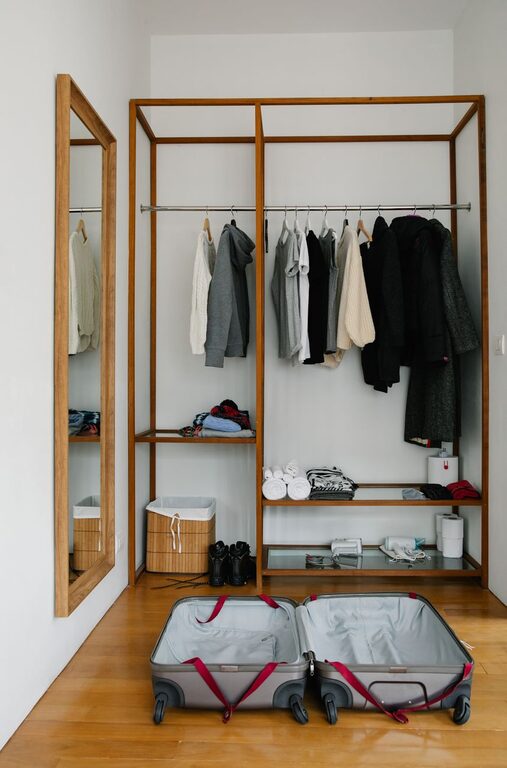
Storing seasonal clothes efficiently is key to maintaining an organized wardrobe and maximizing your living space. Whether you’re switching from summer to winter attire or vice versa, proper storage preserves the quality of your clothing and makes it easier to find what you need when the seasons change. In this post, we’ll explore practical strategies and useful tips for storing seasonal clothes neatly and safely.
Why Efficient Seasonal Clothes Storage Matters
When clothes are packed away poorly, they can become wrinkled, damaged, or even develop unpleasant odors. Efficient storage extends the life of your garments and helps you avoid clutter. It also simplifies your daily routine by reducing the amount of time spent searching for specific items.
Preparing Clothes for Storage
Before packing away seasonal clothes, take a few preparatory steps for the best results.
Clean Everything Thoroughly
Dirty clothes can attract pests and cause stains to set in permanently. Wash or dry clean garments according to their care labels. Make sure items are completely dry to prevent mildew.
Repair and Mend
Check for any damage such as loose buttons, small tears, or broken zippers. Fixing these issues before storing clothing prevents them from worsening over time.
Declutter Your Wardrobe
Use this opportunity to evaluate your clothes. Donate or recycle pieces you no longer wear, freeing up valuable space.
Best Storage Solutions for Seasonal Clothes
Choosing the right storage containers and spaces is essential for protecting your clothes.
Use Breathable Containers
Avoid plastic bags that trap moisture. Opt for breathable cotton storage bags or bins that allow air circulation. This helps keep clothes fresh and reduces the risk of mold.
Vacuum-Seal Bags for Bulkier Items
For bulky sweaters or coats, vacuum-seal bags can save space effectively. However, don’t store delicate fabrics like silk or lace this way, as compression may damage them.
Clear Plastic Bins with Lids
Stackable clear bins make it easy to see what’s inside without opening them. Ensure the lids fit tightly to keep out dust and pests.
Label Everything
Label your storage containers with their contents and the season. This simple step makes retrieving items much quicker.
Ideal Storage Locations
Where you store your clothes matters as much as how you store them.
Cool, Dry Spaces
Attics and basements can be tempting spots due to their size, but they may have temperature fluctuations or moisture problems. Choose a climate-controlled area if possible.
Under Bed Storage
Flat storage boxes designed for under the bed are perfect for smaller spaces. They keep clothes out of sight but still accessible.
Closet Shelves and High Storage
If you have extra shelf space in your closet, dedicate the higher shelves to off-season clothes.
Additional Tips for Maintaining Clothes in Storage
Use Natural Repellents
Cedar blocks, lavender sachets, or other natural moth repellents help keep clothing pest-free and add a pleasant scent.
Avoid Overpacking
Give clothes some breathing room to avoid creasing and fabric stress.
Rotate Clothes Seasonally
When it’s time to switch seasons, take a few minutes to inspect stored items for damage or odors before putting them back in use.
Conclusion
Efficiently storing seasonal clothes not only protects your wardrobe but also streamlines your home organization. By cleaning, repairing, and choosing the right containers and storage spots, you can enjoy an orderly closet year-round. Remember, the key is to keep your clothes clean, dry, and easy to access when the seasons change. Try these tips to create a clothing storage system that works for your space and lifestyle.