








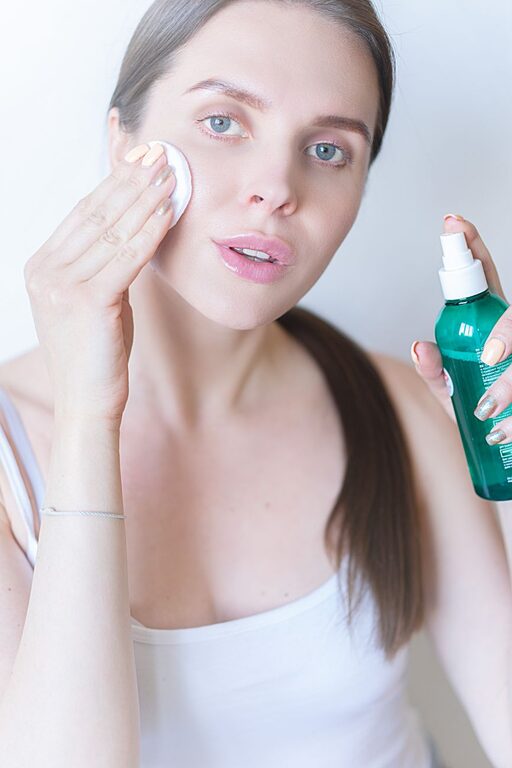
Starting a skincare routine can feel overwhelming with so many products and advice out there. However, a basic routine doesn’t have to be complicated or expensive. By focusing on a few simple steps, you can take great care of your skin, improve its appearance, and maintain healthy skin for the long term. This guide will walk you through the essentials of a basic skincare routine and offer helpful tips to get started.
Why Have a Skincare Routine?
Having a consistent skincare routine helps protect your skin from environmental damage, keeps it hydrated, and can prevent common issues like dryness, breakouts, or irritation. It allows you to nourish your skin regularly, which can improve texture, tone, and overall health. Even if you have sensitive or oily skin, a simple routine can balance your skin’s needs.
Step 1: Identify Your Skin Type
Before you start choosing products, it’s important to know your skin type. This helps you select the right products that will benefit your skin without causing irritation or excess oiliness.
– Normal skin: Balanced, not too oily or dry, with few imperfections.
– Dry skin: May feel tight or flaky, prone to dryness and dullness.
– Oily skin: Shiny appearance, prone to clogged pores and breakouts.
– Combination skin: Oily in some areas (usually the T-zone) and dry or normal in others.
– Sensitive skin: Easily irritated, redness, or reacts to many products.
You can determine your skin type by observing how your skin feels a few hours after washing or by consulting a dermatologist.
Step 2: The Basic Skincare Routine Steps
A basic skincare routine consists of three main steps: cleansing, moisturizing, and sun protection. These are suitable for all skin types and form the foundation of good skin health.
1. Cleansing
Cleansing removes dirt, oil, makeup, and impurities from your skin. It is important to cleanse your face twice a day — once in the morning and once at night.
– Choose a gentle cleanser that suits your skin type. Foaming cleansers work well for oily skin, while cream or lotion-based cleansers are good for dry or sensitive skin.
– Use lukewarm water instead of hot water to avoid drying out your skin.
– Gently massage the cleanser on your face in circular motions and rinse thoroughly.
2. Moisturizing
Moisturizer helps to hydrate your skin and lock in moisture, preventing dryness and irritation.
– Pick a moisturizer based on your skin type: lightweight, oil-free formulas for oily skin; richer creams for dry skin.
– Apply moisturizer on a clean, slightly damp face to help absorb better.
– Don’t forget to moisturize your neck and any other exposed areas.
3. Sun Protection
Sun damage is one of the main causes of premature aging and skin issues, making sun protection a vital part of your routine.
– Use a broad-spectrum sunscreen with at least SPF 30 every morning.
– Apply sunscreen generously on all exposed skin, including your face, neck, and hands.
– Reapply sunscreen every two hours if you are outdoors, especially if sweating or swimming.
Optional Steps to Enhance Your Routine
Once you are comfortable with the basics, you can add a few extra steps based on your skin concerns.
Exfoliation
– Exfoliate 1-2 times per week to remove dead skin cells and brighten your complexion.
– Use gentle exfoliants, such as chemical exfoliants containing AHAs or BHAs, or mild physical scrubs.
– Avoid over-exfoliating as it can cause irritation and dryness.
Serums and Treatments
– Serums contain concentrated ingredients like vitamin C, hyaluronic acid, or niacinamide.
– They target specific concerns like dullness, fine lines, or uneven skin tone.
– Apply serums after cleansing and before moisturizing.
Eye Cream
– The skin around your eyes is thin and delicate.
– Eye creams can help with puffiness, dark circles, or dryness.
– Use a small amount and gently pat it around the orbital bone.
Tips for Success
– Be consistent: Skincare benefits come with regular application over time.
– Patch test: Try new products on a small skin area to check for reactions.
– Avoid harsh ingredients like alcohol or strong fragrances if you have sensitive skin.
– Drink plenty of water and maintain a balanced diet to support skin health.
– Get enough sleep and manage stress for a natural glow.
When to See a Dermatologist
If you experience persistent skin issues such as severe acne, redness, or irritation that don’t improve with a basic routine, it’s best to consult a dermatologist. They can provide personalized advice and recommend treatments tailored to your skin’s needs.
Final Thoughts
Starting a basic skincare routine is a simple and effective way to take care of your skin every day. By cleansing, moisturizing, and protecting your skin from the sun, you create a strong foundation for healthy skin. Remember to listen to your skin’s needs and adjust your routine as necessary. With patience and consistency, you can enjoy a radiant, healthy complexion.